
-
In progress
Phase 1
Prevent counterfeiting and theft.
Puts all three parts of quantum-ready in place: block signing, asset supply, and transaction approval.
-
Active research
Phase 2
Spare most holders a deadline to move funds.
Untouched holdings stay recoverable after the network upgrade, and upgraded transactions stay confidential against a quantum computer.
-
Planned
Phase 3
Make post-quantum transactions efficient.
Performance work that keeps the network practical to use after the network upgrade.
-
Active research
Phase 4
Keep amounts and asset types confidential.
Confidential Transactions that hold after the network upgrade, with a one-time private transfer of existing holdings.
-
Depends on a bitcoin upgrade
Phase 5
Secure the bridge to bitcoin.
Protecting bitcoin held on Liquid takes an upgrade to the bitcoin protocol, which is outside the control of Blockstream and the Liquid federation.
See our bitcoin research
QUANTUM FOR ENTERPRISES
Prepare your digital assets for the post-quantum migration.
We’re preparing Liquid and bitcoin for the post-quantum migration.
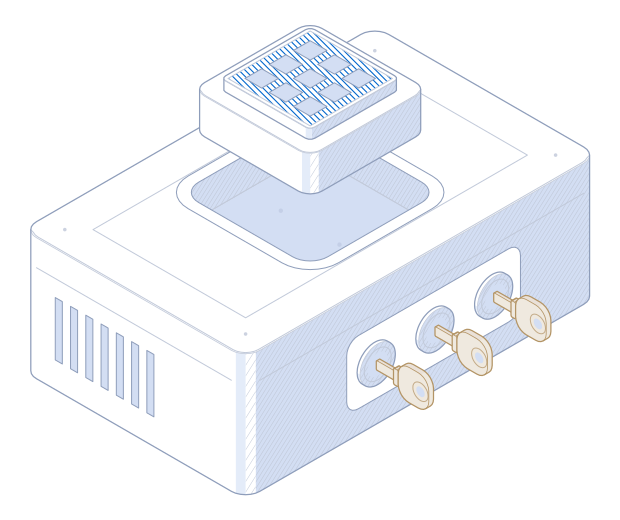
In a future where quantum computers can break today’s public-key cryptography, the infrastructure that secures assets, transactions, identities, and communications has to stay trustworthy.
The financial industry is setting post-quantum deadlines.
-
June 2025
EU
EU member states set the end of 2030 for moving high-risk use cases to post-quantum cryptography.
EU Coordinated Implementation Roadmap -
January 2026
G7
The G7 Cyber Expert Group's roadmap for the financial sector points to 2035 overall, with critical systems addressed in 2030 to 2032.
G7 roadmap -
July 2026
FINMA
FINMA recommended that Swiss institutions draw up a post-quantum roadmap by mid-2027.
FINMA Guidance 05/2026 -
August 2026
US Treasury
The US Treasury launched its Quantum-Readiness Task Force, with workstreams on vendor readiness and on digital assets.
Treasury press release -
October 2026
NIST
NIST finalized its transition guidance: ECDSA and RSA are deprecated after 2030 and disallowed after 2035 under NIST standards.
NIST IR 8547
Accurate as of November 2026.
WHAT QUANTUM-READY MEANS
Protection before it's needed, without slowing the network today.
Post-quantum signatures are larger and slower to process, so upgrading now is costly. Quantum-ready means we have the mechanisms, protocols, and strategies ready to upgrade.
-
Current protocol.
-
In progress
Quantum-ready.
-
The network upgrade.
-
Not here yet
A capable quantum computer.
Quantum-ready covers three parts of the network:
Consensus and block signing.
The federation signs every block with a post-quantum signature, so no one can forge a block or rewrite the chain.
Prototype built
Confidential Assets.
Asset supply stays sound against a quantum computer, so no one can issue counterfeit units of an asset.
Design complete
Transaction authorization.
Every spend is approved with a post-quantum signature, so an exposed key can't be used to move funds.
Prototype live on Liquid mainnet
Five phases to a quantum-ready network.
Read the Liquid roadmapTHE BRIDGE TO BITCOIN
Liquid's bridge to bitcoin depends on a bitcoin upgrade.
Bitcoin held on Liquid stays exposed to a quantum computer until the bitcoin network upgrades. That upgrade is a soft fork outside of our control, so we contribute research toward it.
July 2025
The Post-Quantum Security of Bitcoin’s Taproot as a Commitment Scheme
December 2025
Hash-based Signature Schemes for Bitcoin
March 2026
SHRIMPS: 2.5 KB post-quantum signatures across multiple stateful devices
May 2026
OP_CHECKSHRINCS: A Hash-Based Signature Opcode for Post-Quantum Bitcoin
July 2026
Leading Financial Institutions & Bitcoin Companies Launch the Bitcoin Security Consortium
August 2026
SHRINCS: an efficient hash-based signature scheme for Bitcoin (first draft)
August 2026
Evaluating Lattice-Based Signatures for Bitcoin
We're leading the post-quantum migration of enterprise blockchain infrastructure.
-
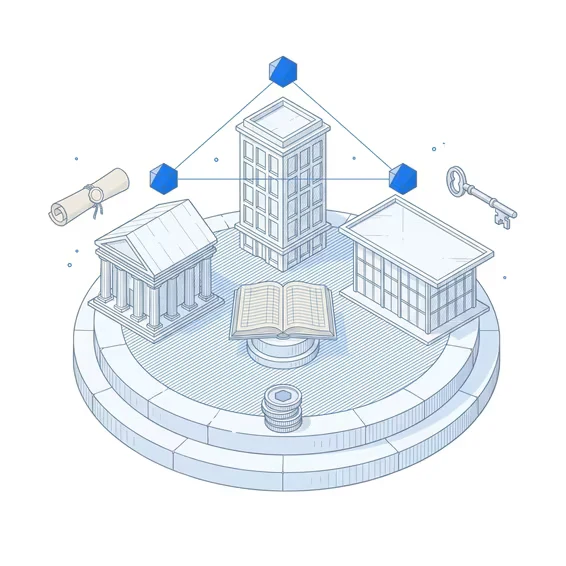
A dedicated blockchain on the technology behind Liquid.
Enterprise Blockchains runs on the technology that powers Liquid, the network where our post-quantum work is deployed first.
-
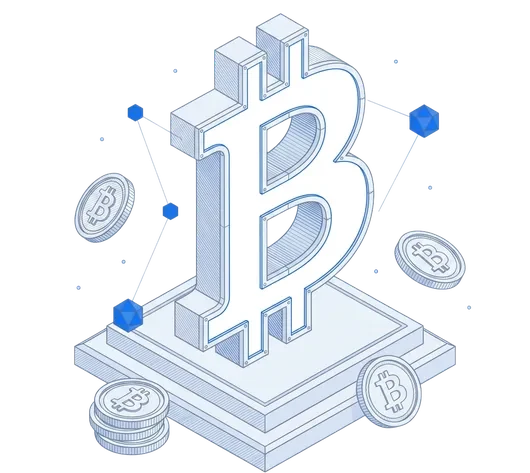
A post-quantum plan starts with control over every transaction.
With Blockstream Enterprise Custody, every transaction must pass the permissions and Spend Policies you define.
CONTACT US
Develop your post-quantum roadmap.
Talk to our team about what each phase means for the assets you issue, move, and settle.
Frequently asked questions.
Is post-quantum protection live on Liquid today?
No. Blockstream Research deployed post-quantum signature verification on Liquid mainnet on March 3, 2026. It is opt-in, has no wallet integration yet, and still needs a full audit. The network upgrade has not happened.
Learn moreWhat will holders have to do?
Under Phase 1, holders move funds to post-quantum addresses before a capable quantum computer emerges. The network upgrade itself sets no deadline. Phase 2 is researching a recovery path so that most holders never need to move.
Do amounts and asset types stay confidential?
The minimum network upgrade protects supply and ownership but makes amounts and asset types visible. Phases 2 and 4 are designed to keep them confidential before and after the network upgrade, including against harvest now, decrypt later.
What does post-quantum security cost in performance?
Post-quantum transactions are larger than today's, which is why the network does not upgrade early. Phase 3 is dedicated to making them efficient.
Can the cryptography change again if a scheme is broken?
Post-quantum signature verification on Liquid runs as a Simplicity program, so a new scheme can be added without a network-wide consensus change.
Who decides when the network upgrade happens?
Every validating node updates its software before the network upgrade takes effect.
Is bitcoin held on Liquid protected?
Only once bitcoin itself upgrades. The bridge is secured on the bitcoin network, and that upgrade is outside the control of Blockstream and the Liquid federation. We contribute research toward it, including the draft SHRINCS proposal posted to the Bitcoin-Dev mailing list on August 26, 2026.
Learn more